NEWS • INSIGHTS • PERSPECTIVES

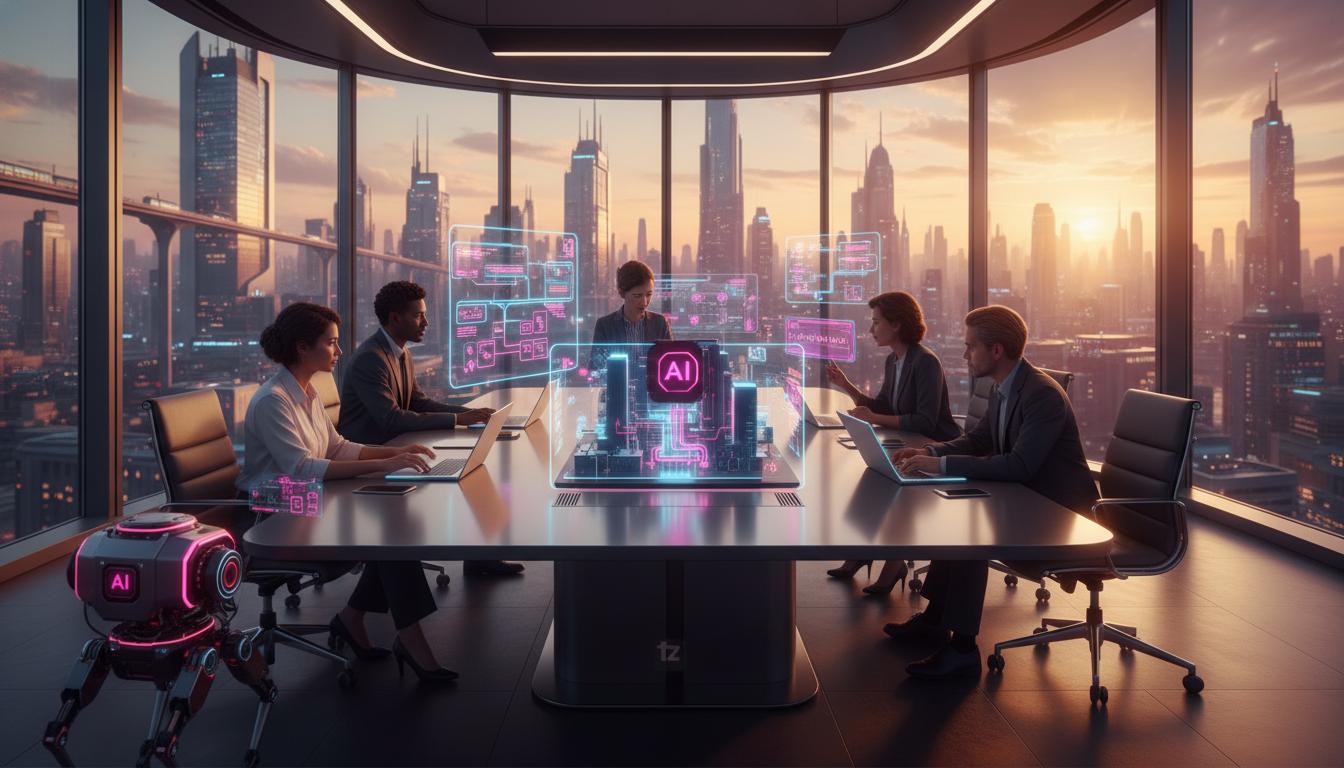
The way we work is changing faster than ever. From artificial intelligence and automation to flexible workplaces and evolving employee expectations, businesses are entering a new era of transformation.
In 2026, organizations are no longer competing solely through products, services, or pricing. They are also competing through innovation, adaptability, employee experience, and the ability to respond quickly to changing market demands.
For business owners, entrepreneurs, and professionals, understanding these changes is essential to staying competitive.
Here are seven major business trends reshaping the future of work in 2026 and what they mean for organizations of all sizes.
1. Artificial Intelligence Is Becoming an Everyday Business Tool
Artificial intelligence is no longer limited to large technology companies. Businesses of different sizes are increasingly exploring AI-powered tools to improve efficiency, analyze information, and automate repetitive activities.
From customer service chatbots to marketing automation and data analysis, AI is changing how teams complete everyday tasks.
How AI Is Transforming Businesses
- Customer support: AI chatbots can answer common questions and assist customers outside regular business hours.
- Marketing: AI tools can support content planning, campaign analysis, and audience research.
- Operations: Automation can reduce manual data entry and streamline administrative processes.
- Decision-making: AI-assisted analytics can help businesses identify patterns and evaluate opportunities.
However, AI is most valuable when combined with human judgment. Businesses must still consider accuracy, privacy, security, and accountability.
What businesses should do: Start by identifying repetitive tasks where AI can save time. Introduce tools gradually, train employees, and review AI-generated outputs before making important decisions.
2. Hybrid and Flexible Work Models Are Evolving
The traditional nine-to-five office model is no longer the only way businesses operate.
Hybrid work, remote collaboration, and flexible scheduling have changed employee expectations and encouraged organizations to reconsider how they manage productivity.
While some businesses are increasing in-office requirements, others continue to offer flexibility depending on job responsibilities and operational needs.
Why Flexible Work Matters
Flexible working arrangements can offer several advantages:
- Access to talent beyond a company’s immediate location.
- Reduced commuting time for employees.
- Greater flexibility in managing personal and professional responsibilities.
- Opportunities to reduce certain office-related expenses.
However, flexibility also creates challenges involving communication, team coordination, cybersecurity, and employee engagement.
What businesses should do: Establish clear expectations, invest in reliable collaboration tools, and evaluate employee performance based on meaningful outcomes rather than physical presence alone.
The future of work may not be completely remote or entirely office-based. For many organizations, it will involve finding the right balance.
3. Employee Skills Are Becoming More Important Than Traditional Job Titles
Technology is changing the skills businesses need.
As automation handles more routine activities, employers are placing greater importance on capabilities such as problem-solving, critical thinking, adaptability, communication, and digital literacy.
Employees who can learn new technologies and apply them effectively may be better positioned to navigate changing job requirements.
Skills That Matter in 2026
Some increasingly valuable workplace skills include:
- AI and digital tool literacy.
- Data interpretation and analytical thinking.
- Creative problem-solving.
- Leadership and communication.
- Cybersecurity awareness.
- Adaptability and continuous learning.
This shift also encourages businesses to rethink recruitment and professional development.
Instead of focusing exclusively on qualifications or previous job titles, organizations can evaluate practical skills and learning potential.
What businesses should do: Create regular training opportunities, encourage knowledge-sharing, and help employees develop skills relevant to emerging technologies.
Investing in employee development can support both workforce resilience and long-term business growth.
4. Automation Is Changing How Small Businesses Operate
Automation is becoming increasingly accessible to small and medium-sized businesses.
Tasks that previously required significant manual effort can now be supported by affordable software and integrated digital platforms.
For example, a small business can automate appointment reminders, invoice generation, customer follow-ups, and inventory notifications.
Areas Where Automation Can Help
Sales: Customer relationship management systems can organize leads and schedule follow-ups.
Finance: Accounting software can simplify invoicing, expense tracking, and reporting.
Marketing: Email platforms can automate welcome messages and customer communication.
Operations: Workflow tools can help teams coordinate tasks and monitor progress.
The goal of automation should not simply be to replace human effort. It should be to reduce unnecessary administrative work and allow employees to focus on higher-value responsibilities.
What businesses should do: Review existing workflows, identify frequent bottlenecks, and automate one process at a time.
A well-planned automation strategy can improve consistency without creating unnecessary complexity.
5. Customer Experience Is Becoming a Major Competitive Advantage
Customers increasingly expect businesses to provide convenient, responsive, and personalized experiences.
Whether someone is purchasing a product, booking a service, or contacting customer support, the quality of the interaction can influence their perception of a brand.
Businesses that understand customer needs and respond effectively may be better positioned to build long-term relationships.
What Modern Customers Expect
- Easy-to-navigate websites and mobile experiences.
- Clear product and service information.
- Fast and helpful customer support.
- Transparent pricing and communication.
- Secure payment options.
- Consistent experiences across online and offline channels.
Personalization is also becoming more important. Businesses can use customer preferences and purchase history to offer more relevant recommendations, provided they respect privacy and applicable data protection requirements.
What businesses should do: Collect customer feedback, improve website usability, simplify purchasing processes, and respond consistently across communication channels.
Customer experience is not limited to a support department. It is influenced by every interaction someone has with a business.
6. Sustainability and Responsible Business Practices Are Influencing Decisions
Sustainability is becoming an important consideration in business planning, procurement, and brand reputation.
Customers, employees, investors, and business partners may consider how organizations manage environmental impact, resource consumption, and ethical responsibilities.
However, sustainability is not just about promotional messaging. Meaningful progress requires practical actions and measurable improvements.
Examples of Responsible Business Practices
- Reducing unnecessary energy consumption.
- Improving resource efficiency.
- Minimizing avoidable packaging waste.
- Encouraging responsible sourcing.
- Strengthening transparency in business operations.
- Supporting ethical employment practices.
For smaller organizations, even gradual improvements can contribute to more efficient operations.
Businesses should also avoid making environmental claims they cannot substantiate.
What businesses should do: Identify realistic sustainability goals, measure progress where possible, and communicate achievements accurately.
Responsible business practices can support operational resilience while helping organizations respond to changing stakeholder expectations.
7. Data-Driven Decision-Making Is Becoming Essential
Modern businesses generate information through websites, customer interactions, sales systems, marketing campaigns, and operational platforms.
The challenge is no longer simply collecting data. It is understanding which information matters and using it responsibly.
Organizations that measure performance effectively can identify problems earlier, allocate resources more carefully, and make more informed decisions.
Important Business Metrics to Monitor
Depending on the industry, useful metrics may include:
- Revenue growth and profit margins.
- Customer acquisition costs.
- Customer retention rates.
- Website traffic and conversion rates.
- Employee productivity and engagement.
- Marketing return on investment.
- Operational efficiency.
For example, a business might discover that one marketing channel generates significant website traffic but relatively few paying customers.
By comparing traffic, conversions, and acquisition costs, the company can make a more informed decision about where to invest.
What businesses should do: Establish a small set of relevant performance indicators, review them consistently, and ensure that business data is collected and stored securely.
Effective decision-making combines reliable data with industry knowledge, experience, and sound judgment.
How Businesses Can Prepare for the Future of Work
Understanding emerging trends is only the first step. Businesses also need a practical strategy for adapting to them.
Here are five actions organizations can consider:
1. Evaluate existing processes. Identify inefficient workflows, outdated systems, and areas where technology could improve performance.
2. Invest in employee development. Provide opportunities for teams to strengthen digital, analytical, and communication skills.
3. Improve customer experiences. Review customer feedback and make it easier for people to interact with the business.
4. Adopt technology strategically. Choose tools that solve genuine business problems rather than investing in technology simply because it is popular.
5. Review performance regularly. Monitor relevant business metrics and adjust strategies when circumstances change.
Businesses do not need to adopt every emerging trend immediately. The most effective approach is often to prioritize changes that align with their goals, resources, and customer needs.
Final Thoughts
The future of work in 2026 is being shaped by technological innovation, changing workforce expectations, evolving customer behavior, and a growing emphasis on responsible business practices.
Artificial intelligence, automation, flexible working models, continuous learning, customer experience, sustainability, and data-driven decision-making are all influencing how organizations operate.
For businesses, the key to long-term success is not predicting every change. It is building the ability to adapt.
Organizations that remain open to innovation, invest in their people, and make thoughtful decisions will be better prepared to navigate an increasingly dynamic business environment.
The future of work is not just about adopting new technology. It is about building smarter, more adaptable, and more resilient businesses.